Why Attic Ventilation Matters for Florida Roofs
Most homeowners think about their roof in terms of what they can see: shingles, flashing, gutters. But one of the biggest factors in how long a Florida roof actually lasts is something most people never look at: attic ventilation. Without it, heat and moisture build up beneath the roof deck and go to work on your shingles from the inside out.
How Attic Ventilation Works
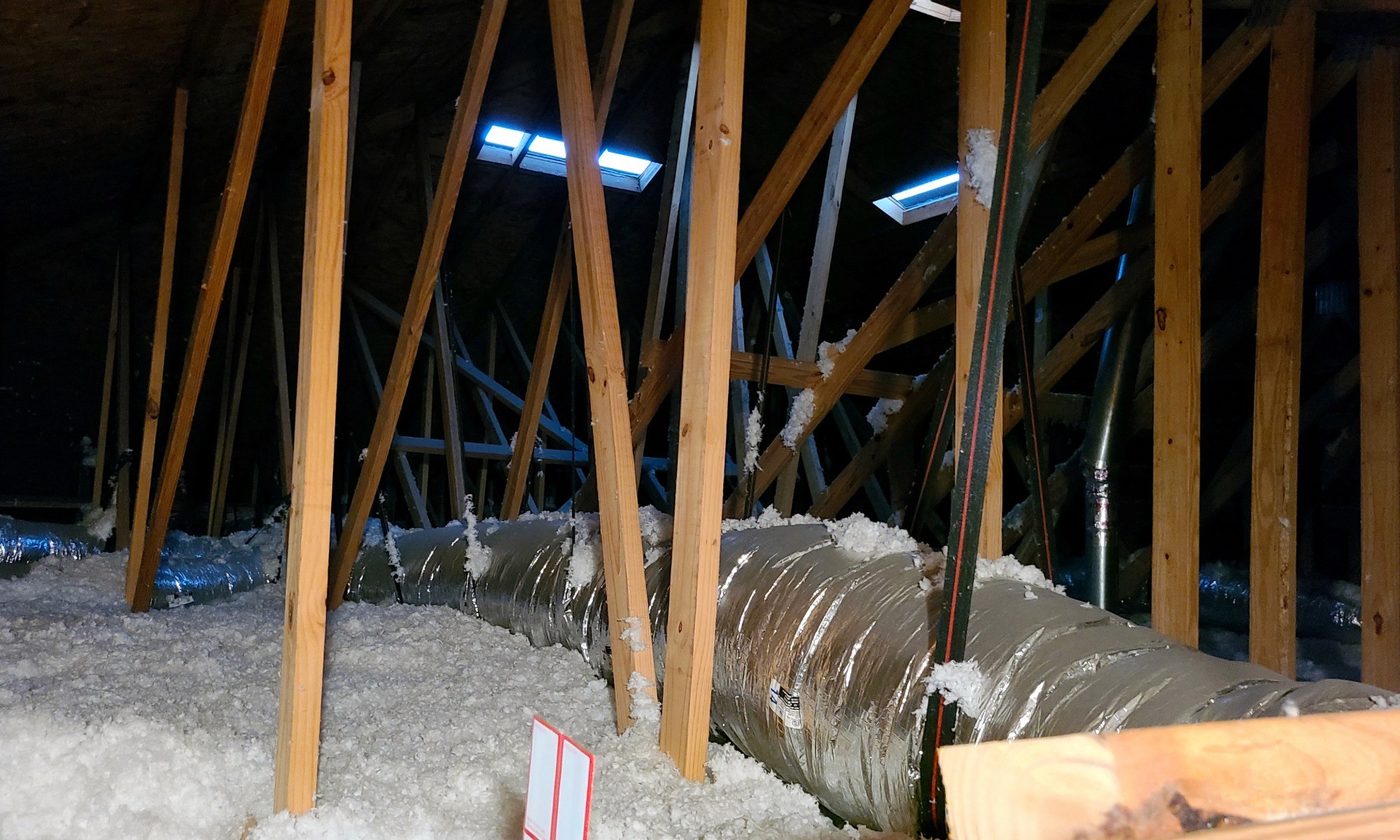
A properly ventilated attic relies on two types of vents working together: intake vents, usually located at the soffits under the eaves, and exhaust vents, typically along the ridge. Cooler outside air enters through the soffits, moves up through the attic, and pushes hot, humid air out through the ridge vents. This continuous airflow keeps the attic close to outdoor temperature and prevents moisture from settling in.
When either side of that system is blocked, undersized, or missing, the airflow stalls, and heat and humidity have nowhere to go.
Why This Is a Bigger Deal in Florida Than Elsewhere
Every roof needs ventilation, but Florida's climate makes the consequences of skipping it far more severe than in cooler, drier states.
Extreme heat buildup: On a summer day when it's 90 degrees outside, a poorly ventilated Florida attic can climb well past 140 degrees. That heat doesn't stay in the attic. It works its way into the shingles from underneath.
Near constant humidity: Florida's humid air gets pulled into the attic along with the heat, and without airflow to carry it back out, that moisture has nowhere to go but into the wood and insulation.
Longer hot season: Many parts of the country only deal with a few months of serious summer heat. Florida attics face this kind of stress for the better part of the year.
What Happens When Ventilation Fails
Poor attic ventilation doesn't cause one problem, it compounds several at once.
Shingle damage. Asphalt shingles rely on oils that keep them flexible. Sustained heat from underneath accelerates the breakdown of those oils, leaving shingles brittle, prone to cracking, and quicker to lose their protective granules. Roofers sometimes describe this as the shingles baking from both sides at once, sun above and trapped heat below.
Deck and structural damage. Trapped humidity condenses on the underside of the roof deck, which can lead to wood rot, warping, and in more serious cases, weakening of the structure supporting the roof itself.
Mold and mildew. Moisture that has nowhere to escape creates ideal conditions for mold growth in the attic, which can affect indoor air quality throughout the home, not just the roof.
Voided warranties. Many shingle manufacturers require proper attic ventilation as a condition of their warranty coverage. If a roof fails prematurely and an inspection finds inadequate ventilation, that claim can be denied even if the shingles themselves were installed correctly.
Higher energy bills. An overheated attic pushes heat down into the living space below, forcing your air conditioning system to work harder to keep the home comfortable. Over a full Florida summer, that adds up.
Signs Your Attic Isn't Ventilated Properly
You don't need to be a roofing professional to spot the warning signs. A few things worth checking:
The attic feels dramatically hotter than the outdoor temperature when you go up on a summer day
Water stains, dark spots, or visible mold on the underside of the roof deck or on rafters
Rusted nails or metal fixtures in the attic, a sign that moisture has been sitting in the space
Shingles that appear to be aging, curling, or cracking faster than expected for their age
Noticeably higher cooling costs during summer months compared to similar sized homes
How Much Ventilation Does a Florida Attic Actually Need
Building code sets a minimum ratio for attic ventilation based on the size of the attic floor, generally requiring a balance between intake at the soffits and exhaust at the ridge, split roughly evenly between the two. This isn't just a best practice, it's a code requirement, and it's one of the details manufacturers point to when evaluating warranty claims on prematurely failed shingles.
Getting this ratio right depends on the size and layout of your specific attic, which is why it's worth having a professional evaluate it rather than guessing.
When to Have Your Attic Ventilation Checked
Attic ventilation is easy to overlook because it's not something you see day to day, but a few situations make it worth a closer look sooner rather than later:
You're noticing higher than expected energy bills without another clear explanation
Your shingles are showing signs of premature aging relative to their expected lifespan
You're planning a roof replacement, which is the ideal time to correct any existing ventilation issues before new shingles go on
It's been years since anyone has actually inspected the attic itself, as opposed to just the visible roof surface
Attic checks fit naturally into a broader maintenance routine. If you haven't looked at your attic in a while, it's worth adding to your seasonal roof maintenance checklist alongside your regular exterior inspections.
Final Thoughts
Attic ventilation isn't the most visible part of a roofing system, but in Florida's climate, it's one of the most important. Left unaddressed, poor ventilation can quietly shorten the life of shingles that are otherwise in good condition, drive up cooling costs, and put warranty coverage at risk.
If it's been a while since anyone has evaluated your attic, or you're noticing signs of heat or moisture buildup, Maverick Roofing FL offers free inspections for homeowners across Brevard County and the Orlando area. Schedule your free roof inspection today and get a clear read on whether your attic is doing its job.
Related Blog Posts

The Palm Bay Homeowner's Guide to Roof Repair & Replacement (2026)
Best Roofing Materials for Florida Homes