The Palm Bay Homeowner's Guide to Roof Repair & Replacement (2026)
The Palm Bay Homeowner's Guide to Roof Repair & Replacement (2026)
If you own a home in Palm Bay, your roof works harder than almost anywhere else in the country. It sits between you and a climate that throws everything at it: months of brutal sun and humidity, salt drifting in off the Indian River Lagoon, and a hurricane season that runs half the year. That combination wears roofs out faster than most homeowners expect, and it's why "I'll deal with it later" so often turns into an expensive emergency.
This guide walks you through what Palm Bay's weather actually does to your roof, how to spot trouble early, how to tell whether you need a repair or a full replacement, and what to expect when it's time to act.
What Palm Bay's Climate Does to Your Roof
Three forces do the most damage here, and they work year-round:
Heat and UV. Central Florida's sun is relentless. Over time it bakes the oils out of asphalt shingles, makes them brittle, and strips away the protective granules that keep water out. A roof that might last 25 years up north often ages noticeably faster in Palm Bay.
Humidity and rain. High humidity and frequent downpours mean moisture is always looking for a way in. Once it finds a gap (a failed seal, a cracked boot, worn flashing), it can rot decking and feed mold long before you see a stain on the ceiling.
Salt air. If you're on the east side of Palm Bay near the lagoon, salt in the air slowly corrodes fasteners, vents, and metal roof components. It's a quiet problem that shortens the life of cheaper materials.
Warning Signs Your Roof Needs Attention
You don't need to climb up there to catch most problems. From the ground or your attic, watch for:
Curling, cupping, or buckling shingles (a sign of heat damage and age)
Bald spots where granules have worn away (check for granule buildup in gutters)
Cracked, slipped, or missing tiles on tile roofs
Dark streaks or green growth from algae and trapped moisture
Daylight, stains, or a musty smell in the attic (often the first sign of a leak)
Sagging areas anywhere on the roofline, which can point to decking or structural damage
If you spot any of these, get an inspection before the next storm tests the weak spot.
Repair or Replace? How to Tell the Difference
This is the question most Palm Bay homeowners are really asking. It comes down to three things:
Age. Asphalt shingle roofs in Florida often need replacing around the 15 to 20 year mark, sometimes sooner given the heat. If yours is near the end of its life, repeated repairs are usually money down the drain.
Extent of damage. A few missing shingles or one flashing leak is a repair. Widespread granule loss, multiple leaks, or damage across large sections points toward replacement.
Isolated vs. systemic. One trouble spot from a fallen branch is very different from a roof that's failing all over because it's simply worn out.
A good roofer will tell you honestly which path makes sense, and a repair is the right call far more often than a high-pressure sales pitch suggests. For a deeper breakdown, see our guide on roof repair vs. replacement in Florida.
Storm & Hurricane Damage: What Palm Bay Homeowners Should Watch For
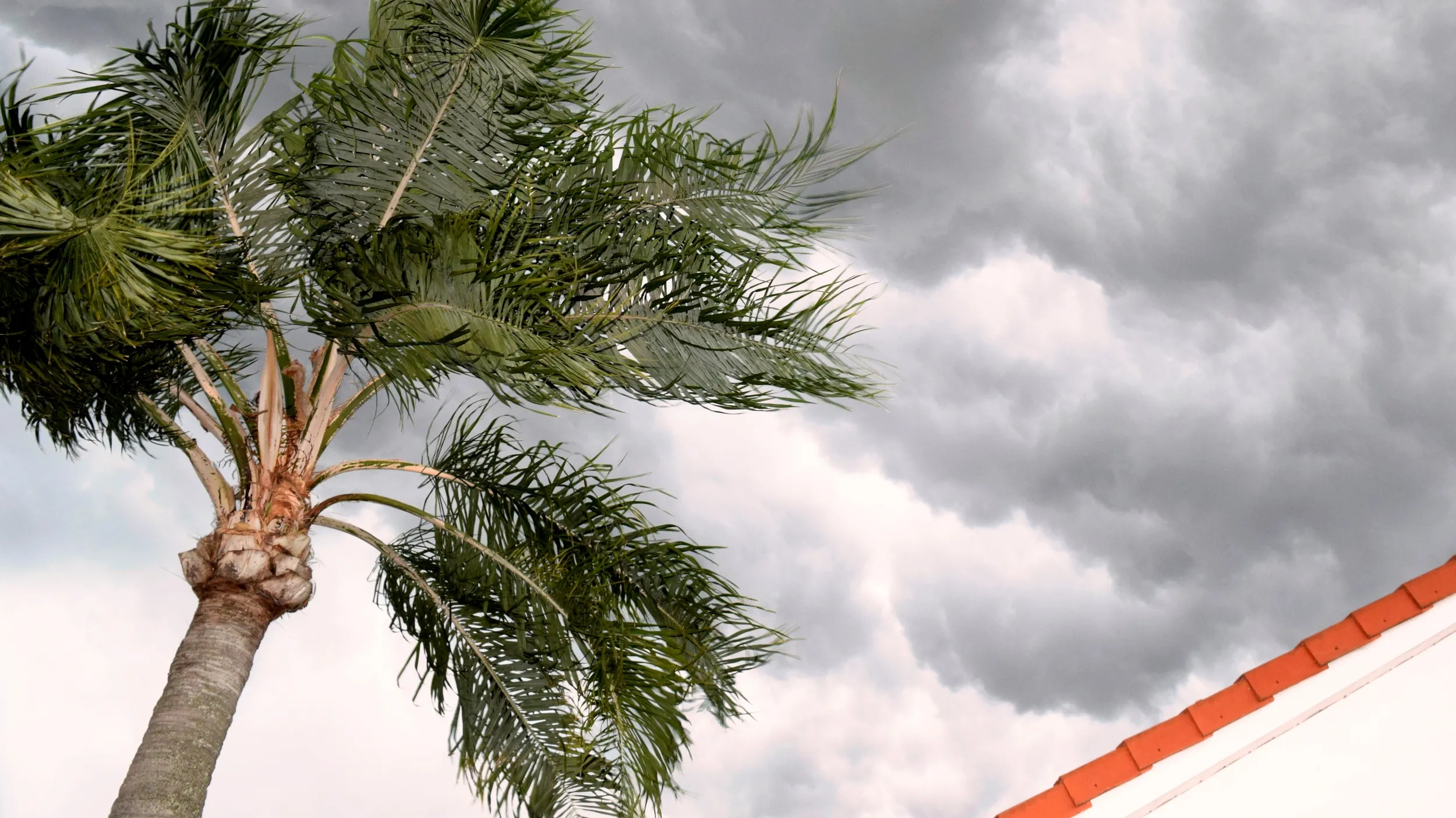
South Brevard sits squarely in hurricane country. When Hurricane Milton passed through in October 2024, Brevard County saw wind gusts reaching roughly 80 mph near the coast and hundreds of damaged structures, with roofs torn up in communities just south of Palm Bay. And you don't need a named storm to lose shingles. A strong summer squall can do it.
The tricky part: wind damage often isn't visible from the ground. Lifted shingles, loosened flashing, and tiny punctures can let water in for weeks before you notice. After any significant storm, it's worth having your roof inspected and documented, especially if you may need to file a claim.
Two resources to bookmark: what to do after roof storm damage in Central Florida and our pre-hurricane roof inspection guide so you head into each season ahead of the risk.
Choosing the Right Roofing Material for Palm Bay
If you do end up replacing, your material choice matters more here than in milder climates:
Shingles: the most affordable and popular option, with wind ratings built for Florida code. Expect a shorter lifespan in our heat than the package label promises.
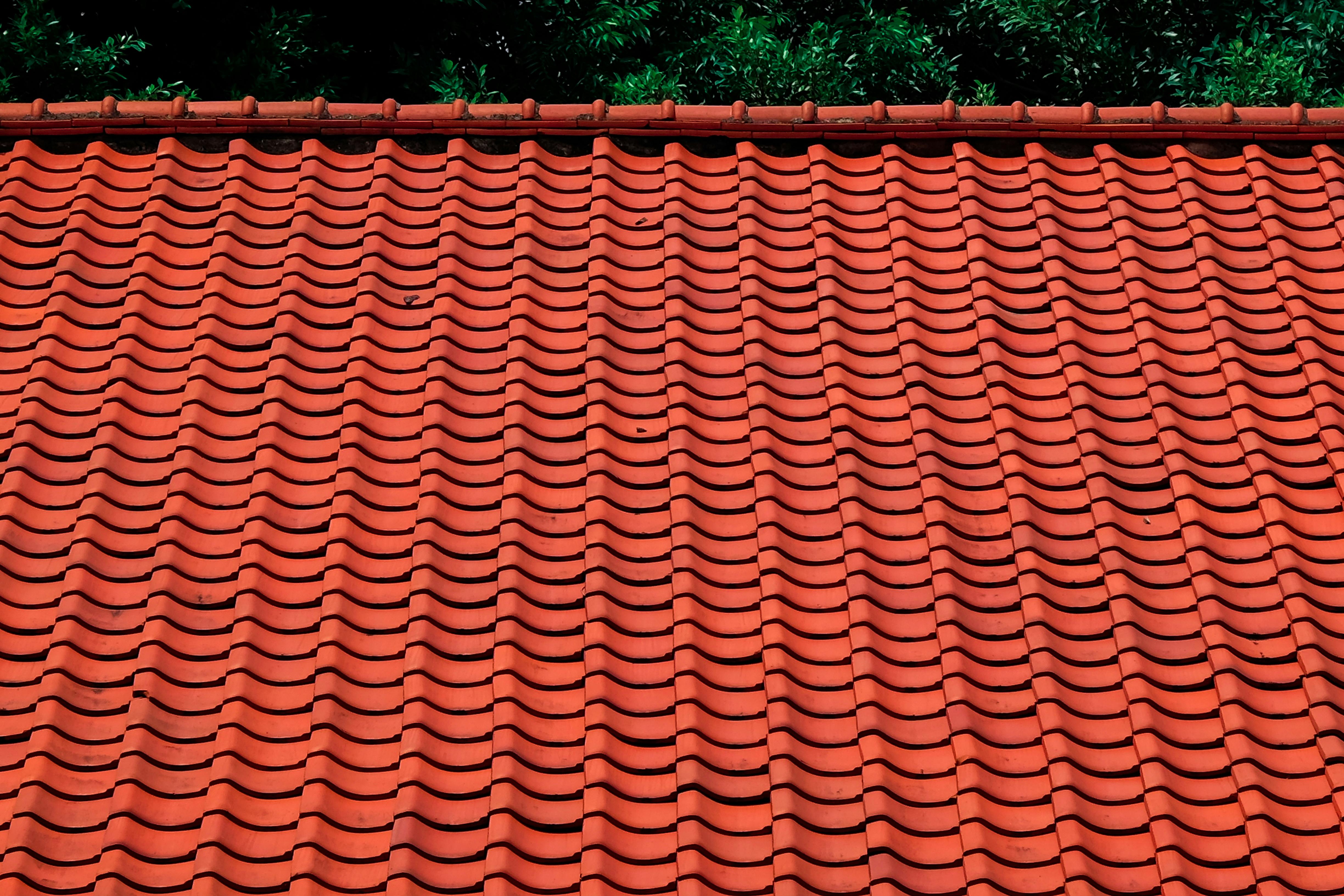
Tile: handles heat beautifully and lasts decades, which is why it's common across Palm Bay's newer neighborhoods. Heavier and pricier up front.
Metal: excellent wind and heat performance, energy efficient, and long-lasting. A bigger investment, but increasingly popular on the Space Coast.
We compare these in detail in Best Roofing Materials for Florida Homes.
Permits & Building Code in Palm Bay
Here's something that catches some homeowners off guard: Palm Bay runs its own city Building Department, separate from unincorporated Brevard County, and any legitimate roofing job must be permitted and inspected.
All roofing work has to meet the Florida Building Code, 8th Edition (2023), which sets the wind-resistance standards your roof must pass.
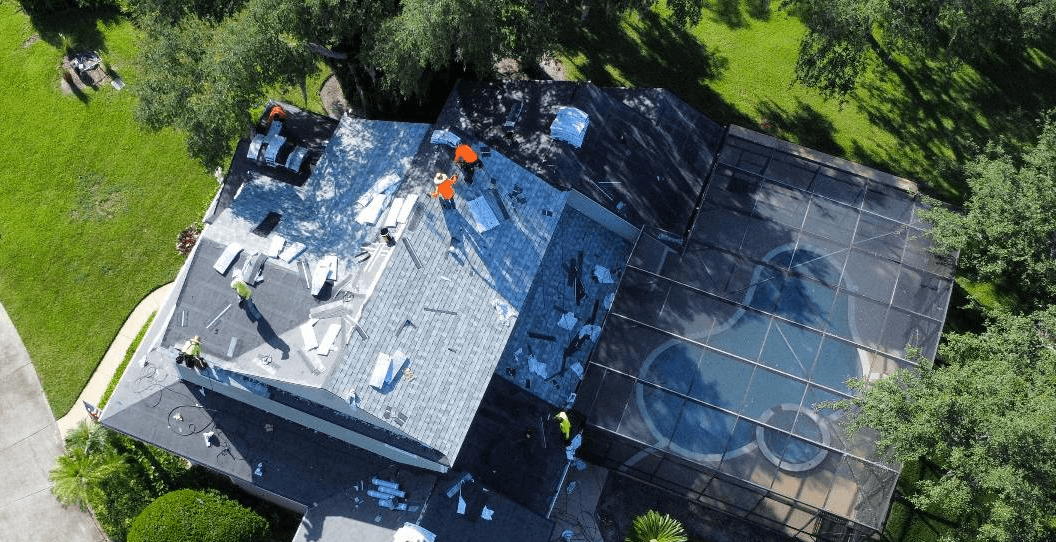
Residential permits go through the city's digital plan room and typically take around two weeks to process, so factor that into your timeline.
Your licensed contractor should pull the permit and schedule inspections. If a "roofer" suggests skipping the permit to save time or money, that's a red flag: unpermitted work can haunt you at insurance-claim and resale time.
Roof Age, Insurance & Your Roof in Palm Bay
Florida's insurance market is unforgiving, and your roof sits at the center of it. Insurers look hard at roof age and condition, and some won't renew policies on older roofs at all. Good documentation (inspection reports, photos, dates) is often what makes a claim succeed.
Before you buy, renew, or file, it helps to know what carriers expect. Start with our guide to Florida insurance roof requirements, and if you're navigating a claim, see how the insurance claims process works.
How Much Should You Budget?
There's no one-size-fits-all number. Cost depends on your roof's size, pitch, and material. Shingle is the most budget-friendly; tile and metal cost more up front but last longer. For current ballpark ranges in our area, see our Florida roof replacement cost guide. The only way to get a real figure for your home is a proper inspection and quote.
Frequently Asked Questions
How long do roofs last in Palm Bay, FL? Shorter than the package promises, thanks to the heat. Asphalt shingle roofs commonly need replacing around 15 to 20 years here; tile and metal can last considerably longer with proper maintenance.
Should I repair or replace my roof? If your roof is near the end of its lifespan or has widespread damage, replacement is usually the smarter long-term choice. Isolated, minor damage on a younger roof is typically a repair. An inspection settles it.
Do I need a permit to replace my roof in Palm Bay? Yes. Roof replacements require a permit through Palm Bay's Building Department and must meet the 2023 Florida Building Code. A licensed contractor handles this for you.
How do I know if my roof has storm damage? Wind and hail damage often isn't visible from the ground. After a significant storm, schedule a professional inspection so any damage is documented before you file a claim.
Will insurance cover my roof replacement? It depends on the cause, your roof's age, and your policy. Sudden storm damage is more likely to be covered than gradual wear. Thorough documentation strengthens any claim.
Protecting Your Palm Bay Roof
Your roof is the single most important system protecting your home from Florida's climate, and the cheapest time to deal with a problem is always before it becomes a leak. If you're seeing any of the warning signs above, or you just want to know how many years your roof has left, a professional inspection will give you a straight answer.
Maverick Roofing serves Palm Bay and the Space Coast from our Brevard office in Rockledge. Call (321) 349-0050 or request a free inspection whenever you're ready.
Related Blog Posts
Best Roofing Materials for Florida Homes
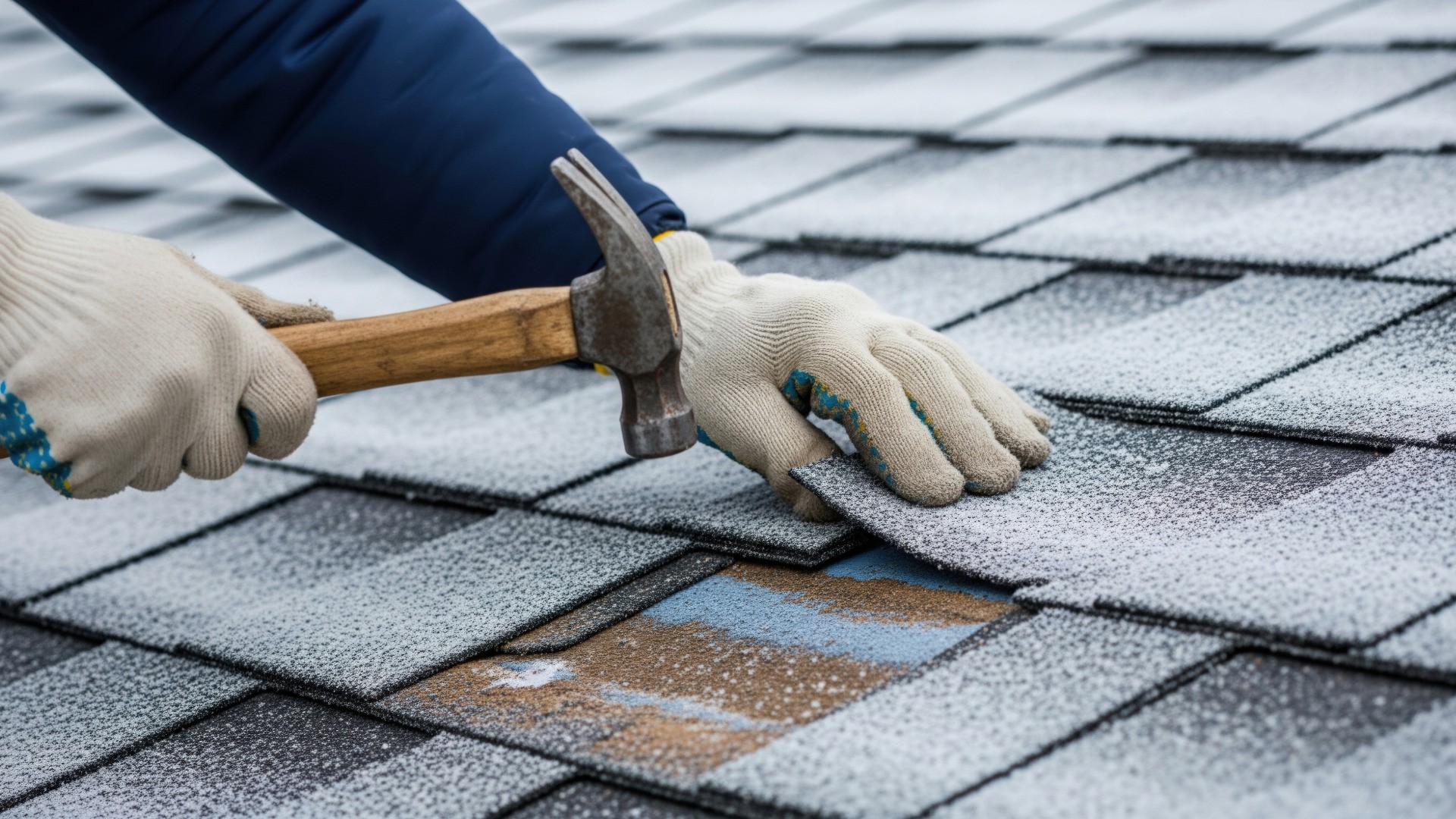
Roof Repair vs Replacement in Florida (2026 Guide for Homeowners)