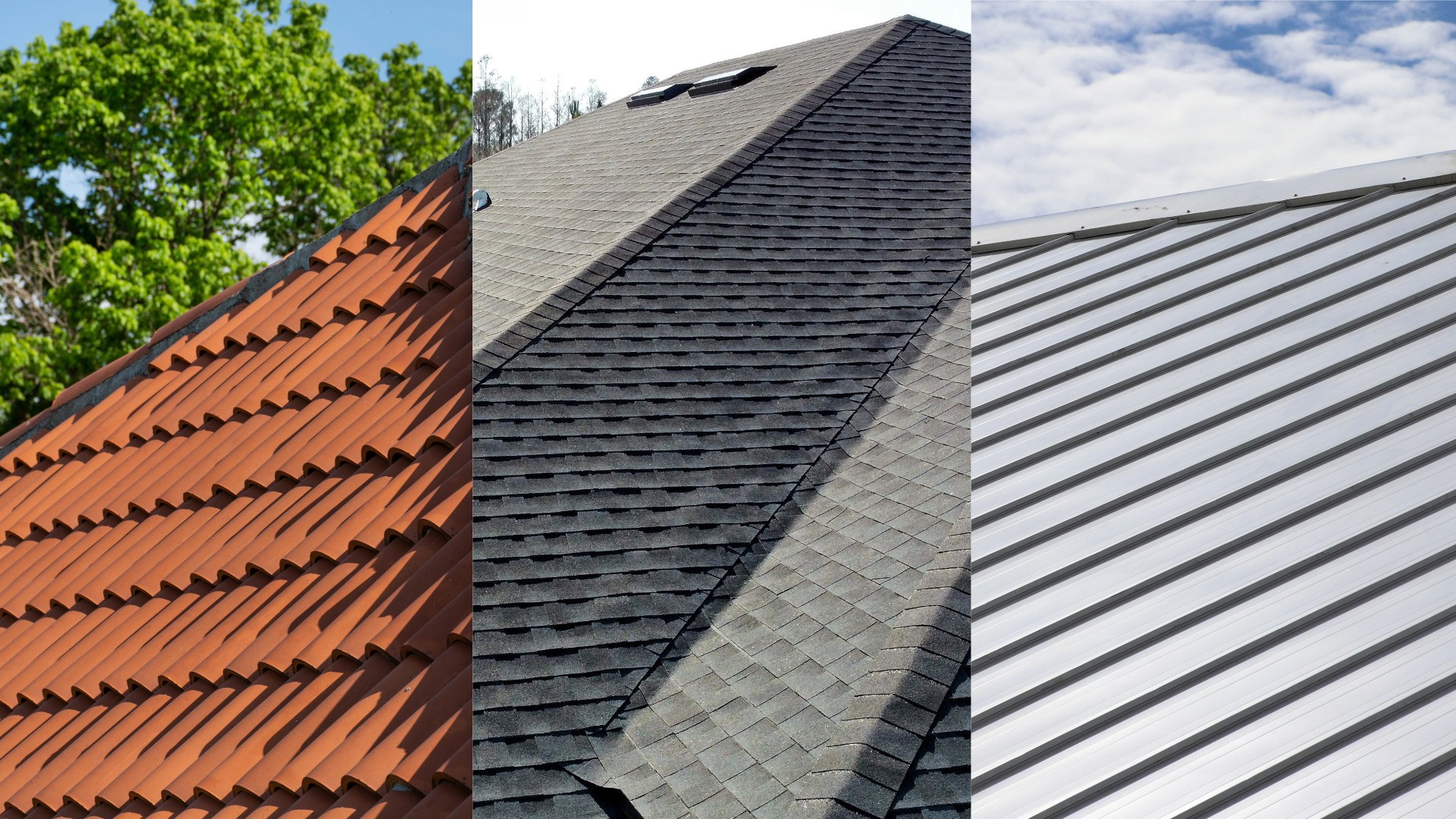
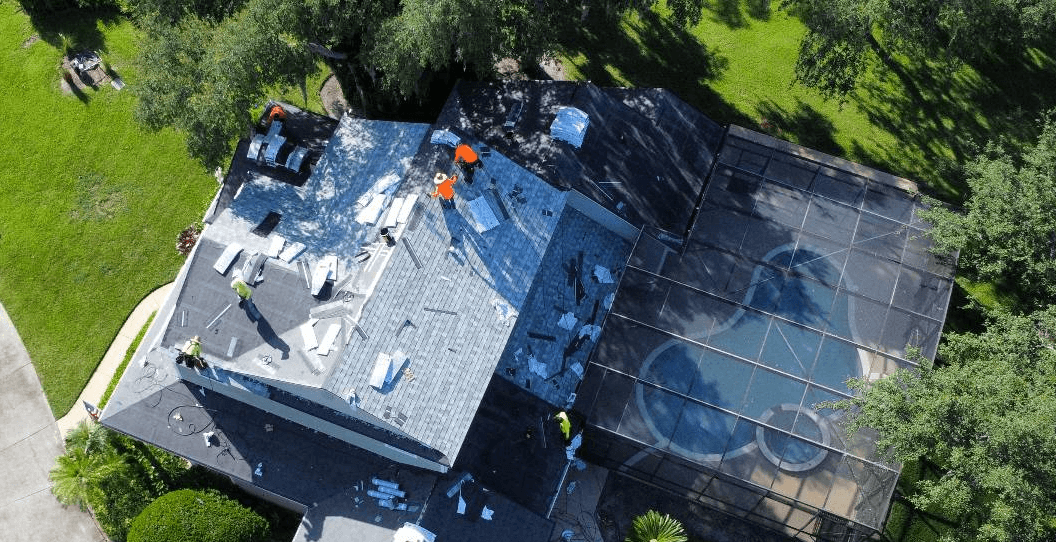
TPO vs. Modified Bitumen: Flat Roof Replacement for Central Florida Businesses
Most commercial buildings in Central Florida, from strip centers along SR 50 to warehouses near the Space Coast, sit under a low-slope roof. When that roof starts leaking, the decision usually comes down to two systems: TPO and modified bitumen. Both work in Florida when they are installed correctly. They handle heat, water, and maintenance differently, and that difference matters for a building owner planning the next 20 years.
What Florida Does to a Flat Roof
A low-slope roof here takes full sun most of the year, heavy afternoon rain from late spring into fall, and hurricane-season wind. Heat cycles expand and contract the membrane every day. Water that doesn’t drain fast enough ponds in low spots and works its way into seams. Wind pulls hardest at edges and corners, which is where many flat roof failures start.
That is why the details matter as much as the membrane: proper slope to drains and scuppers, strong edge metal, and fastening that meets the Florida Building Code for your building.
TPO: Reflective, Lightweight, Heat-Welded Seams
TPO (thermoplastic polyolefin) is a single-ply membrane that comes in wide rolls and is mechanically fastened or fully adhered over insulation. Its seams are heat-welded with hot air, which fuses the sheets into one continuous layer instead of relying on adhesive.
In Florida, the biggest selling point is reflectivity. A white TPO surface reflects much of the sun’s heat, which can lower rooftop temperatures and reduce the load on your HVAC units. It is also lighter than multi-ply systems, which helps on older structures.
The tradeoffs: TPO is a single layer, so punctures from foot traffic or dropped tools need prompt attention, and quality varies by thickness and manufacturer. Thicker membranes, such as 60 or 80 mil, hold up better than the thinnest options.
Modified Bitumen: Multi-Ply and Tough Underfoot
Modified bitumen is an asphalt-based system installed in two or more plies, applied with a torch, hot asphalt, cold adhesive, or self-adhered sheets. The layers give it redundancy and good puncture resistance, which makes it a solid choice for roofs with heavy foot traffic, lots of rooftop equipment, or frequent service visits.
Darker granulated cap sheets absorb more heat than white TPO, though reflective coatings and white cap sheets narrow that gap. Mod bit is heavier, and torch-applied installs are not a fit for every building, so cold-applied or self-adhered versions are common on occupied buildings.
Which One Fits Your Building?
Lean toward TPO when heat and energy costs are the main concern, the roof sees light foot traffic, and you want a clean, reflective surface over new insulation.
Lean toward modified bitumen when the roof carries a lot of equipment or traffic, you want multi-ply redundancy, or you’re matching an existing system on part of the building.
On many buildings either system can work. The deciding factors are usually drainage, how the roof is used, and the condition of the deck and insulation underneath.
Code, Permits, and Product Approval
Commercial reroofing in Florida requires a permit, and roofing products must carry Florida Product Approval, or a Miami-Dade NOA where that is required. The assembly also has to meet the wind uplift requirements for your building. Roof history matters too, since older roofs can trigger a larger replacement after storm damage. Our guide to Florida insurance roof requirements covers how insurers look at roof age and condition.
Repair, Recover, or Replace?
Not every leaking flat roof needs a tear-off. If the insulation is dry and the membrane is mostly sound, targeted repairs or a coating can buy several more years. If moisture has soaked into the insulation, covering it traps the problem, and a full replacement is the better spend. An infrared scan or core samples tell you which situation you’re in. For a broader look at the decision, see our roof repair vs. replacement guide.
Planning Your Project
Commercial roofs are easiest to replace during Central Florida’s drier months, when afternoon storms are less likely to interrupt tear-off. Plan around tenants, deliveries, and rooftop equipment, and ask for a written scope that spells out insulation, fastening, edge metal, and warranty terms. If you manage a building anywhere from Orlando to Brevard County, we can inspect the roof and walk you through both options. Schedule a free roof inspection.
Related Blog Posts
Roof Repair vs Replacement in Florida (2026 Guide for Homeowners)
Florida Insurance Roof Requirements: What Homeowners Need to Know in 2026