Florida Insurance Roof Requirements: What Homeowners Need to Know in 2026
Many Florida homeowners are surprised to learn that their roof’s age and condition can impact whether their insurance policy is renewed. In recent years, insurance companies have tightened requirements due to storm risk and costly claims.
Understanding Florida insurance roof requirements can help you avoid policy cancellation, unexpected expenses, and last-minute repairs.
This guide explains roof age rules, inspection requirements, and what you can do to maintain coverage.
Why Insurance Companies Care About Your Roof
Florida experiences frequent severe weather, including hurricanes, heavy rain, and high winds. Roof failures are one of the most common and expensive insurance claims.
Because of this risk, insurers evaluate:
Roof age
Roofing material type
Structural condition
Storm resistance
Maintenance history
Older or poorly maintained roofs present a higher risk, which can affect coverage eligibility.
Common Florida Roof Age Requirements
While requirements vary by insurer, many Florida insurance companies follow similar guidelines:
Asphalt Shingle Roofs
Typically must be under 15–20 years old
May require inspection after 10–15 years
Tile, Metal, and Slate Roofs
Can often qualify for coverage longer
Still require proof of good condition
Roofs Over 20 Years Old
May require certification of remaining useful life
Could trigger non-renewal if deterioration is found
A professional roof inspection can determine whether your roof meets insurance standards.
What Is a Roof Certification Inspection?
If your roof is approaching the age limit, insurers may request a roof certification.
This inspection verifies:
Remaining life expectancy
Structural integrity
Condition of materials
Presence of leaks or damage
Wind resistance capability
Certification may allow homeowners to keep coverage without immediate replacement.
Recent Changes in Florida Insurance Laws
Florida has updated regulations to help homeowners facing insurance challenges.
In many cases:
Insurers cannot deny coverage solely due to roof age
If a roof has at least 5 years of useful life remaining, coverage may still be available
Inspections may be required to verify condition
However, insurers can still deny coverage if the roof shows significant damage or deterioration.
How to Avoid Insurance Non-Renewal
To reduce the risk of policy cancellation:
Schedule Regular Roof Inspections
Annual inspections identify problems before insurers do.
Maintain Documentation
Keep records of repairs, inspections, and maintenance.
Address Minor Repairs Early
Fixing small issues can extend roof life and prevent coverage issues.
Upgrade Storm Resistance
Improving underlayment, flashing, and fastening systems may improve insurability.
Signs Your Roof May Be Flagged by Insurance Companies
Watch for warning signs such as:
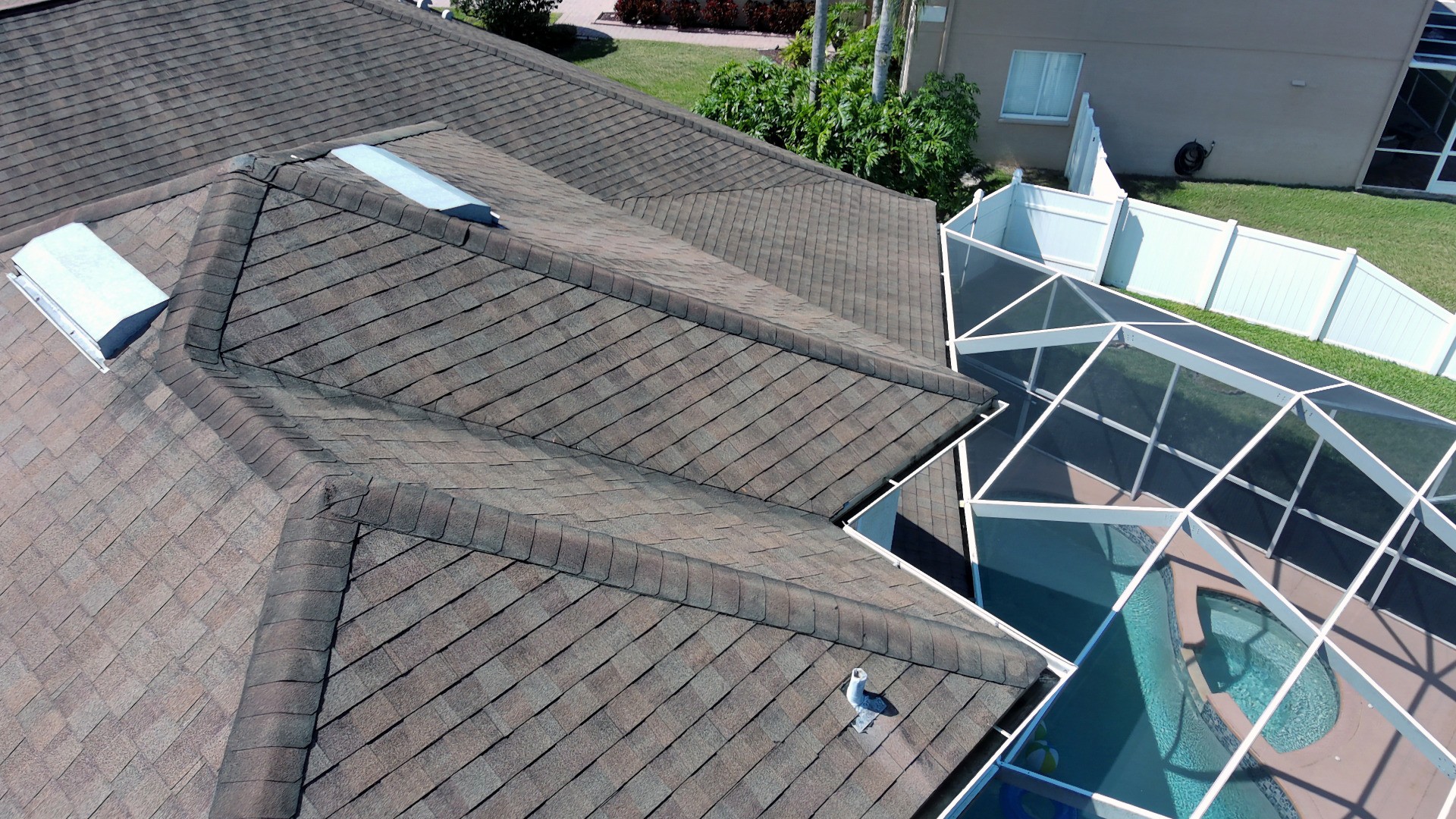
Curling or missing shingles
Visible wear or deterioration
Soft spots or sagging areas
Interior water stains
Previous storm damage
Roof age approaching 15–20 years
If you notice any of these issues, scheduling an inspection is essential.
What If Your Roof Doesn’t Meet Insurance Requirements?
If your roof fails inspection, you still have options:
Perform necessary repairs
Obtain a certification after repairs
Replace the roof if required
Upgrade to more durable roofing materials
A roofing professional can help you understand the most cost-effective solution.
Why Proactive Inspections Save Money
Waiting until an insurer flags your roof can leave you with limited time and fewer contractor options.
Proactive inspections help you:
Avoid emergency replacements
Maintain insurance coverage
Prevent storm damage
Extend roof lifespan
Schedule a Roof Inspection Before Insurance Issues Arise
If your roof is approaching 15 years old or showing signs of wear, now is the time to schedule an inspection.
Maverick Roofing helps Florida homeowners evaluate roof condition, meet insurance requirements, and protect their homes from storm damage.
Schedule your free inspection today to ensure your coverage and peace of mind.
Related Blog Posts
Roof Repair vs. Roof Replacement in Florida: What’s Right for Your Home?
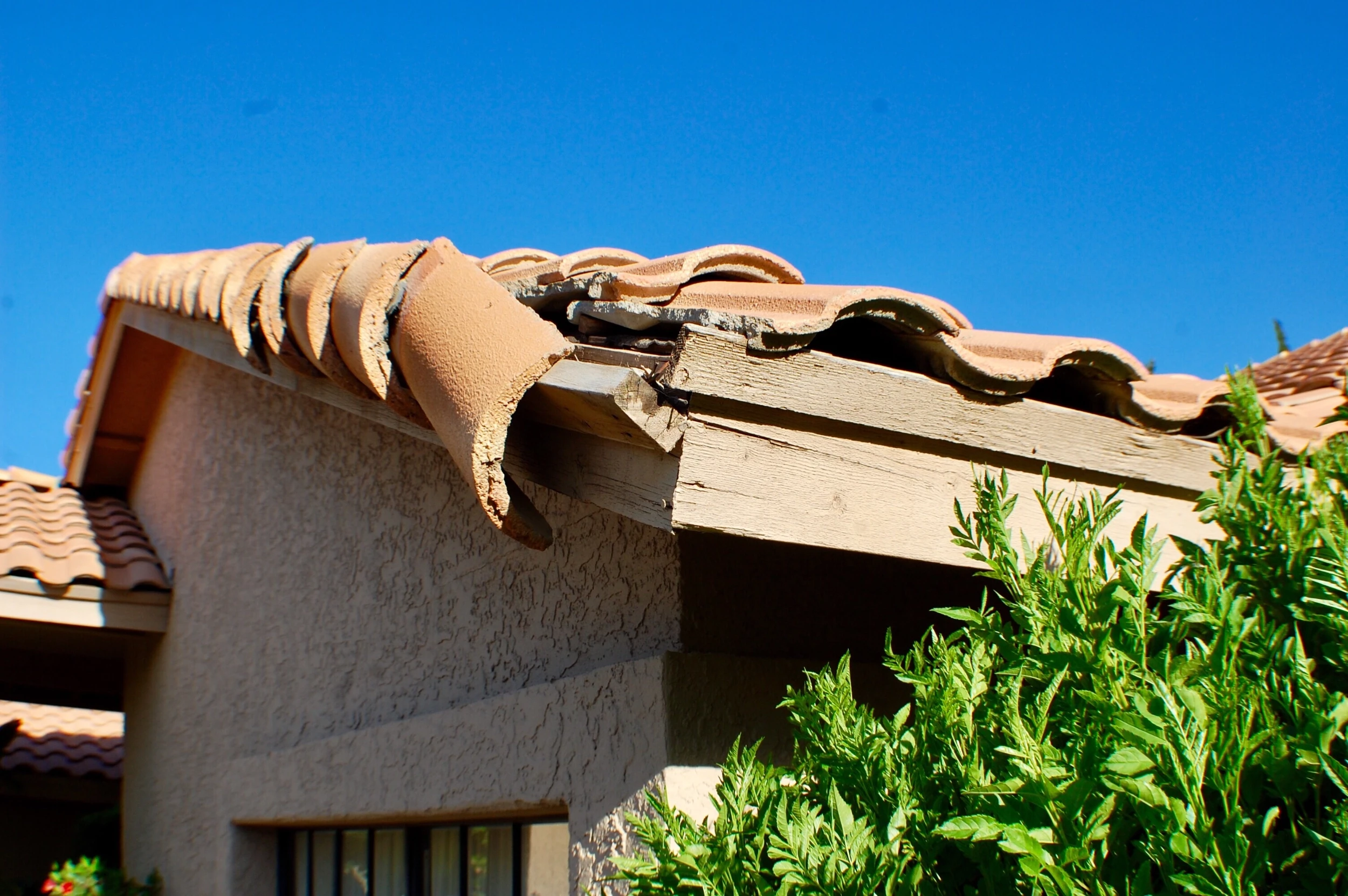
Common Tile Roof Problems in Central Florida