What to Do After Roof Storm Damage in Central Florida (2026 Guide)
What to Do After Roof Storm Damage in Central Florida
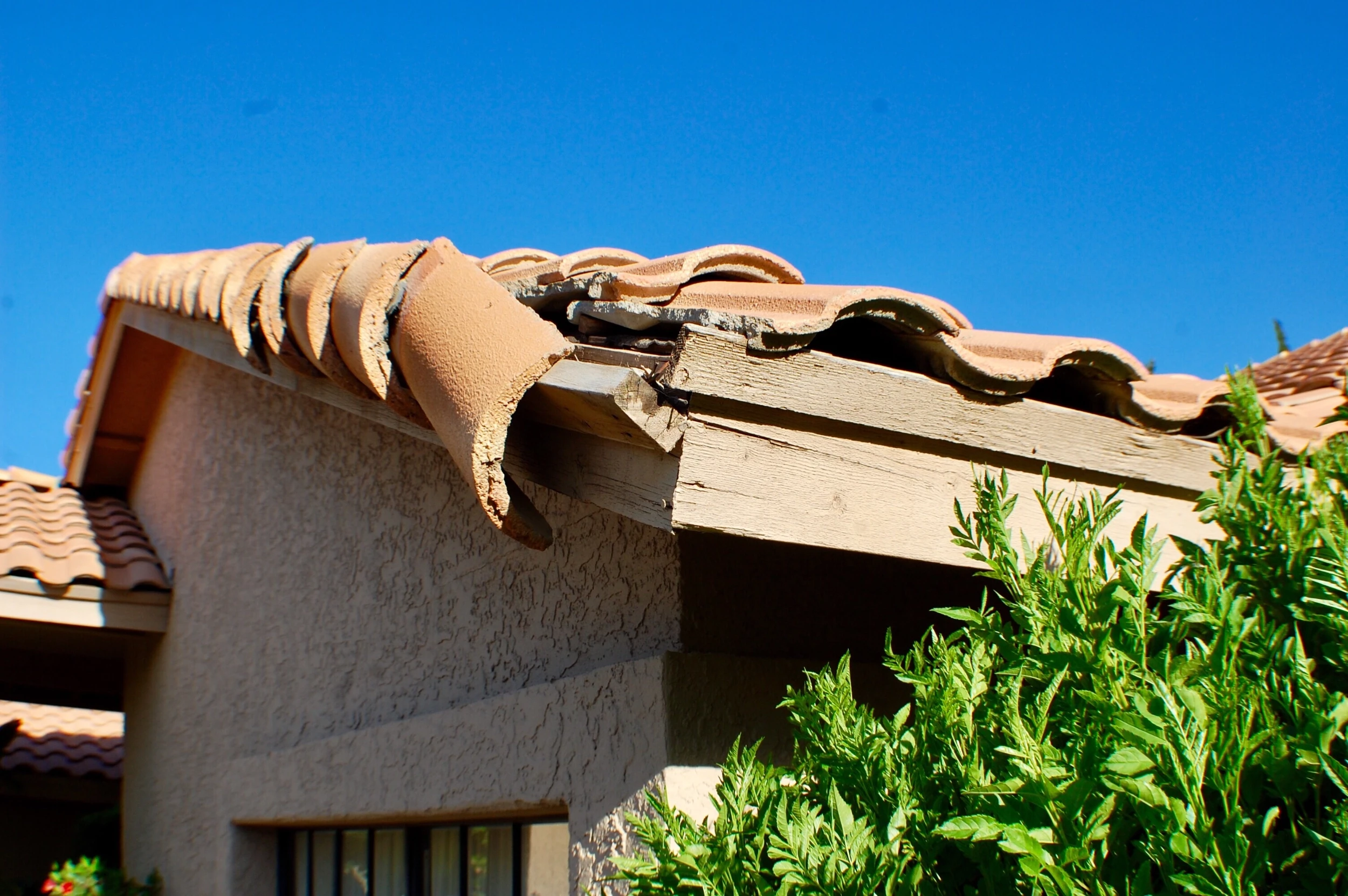
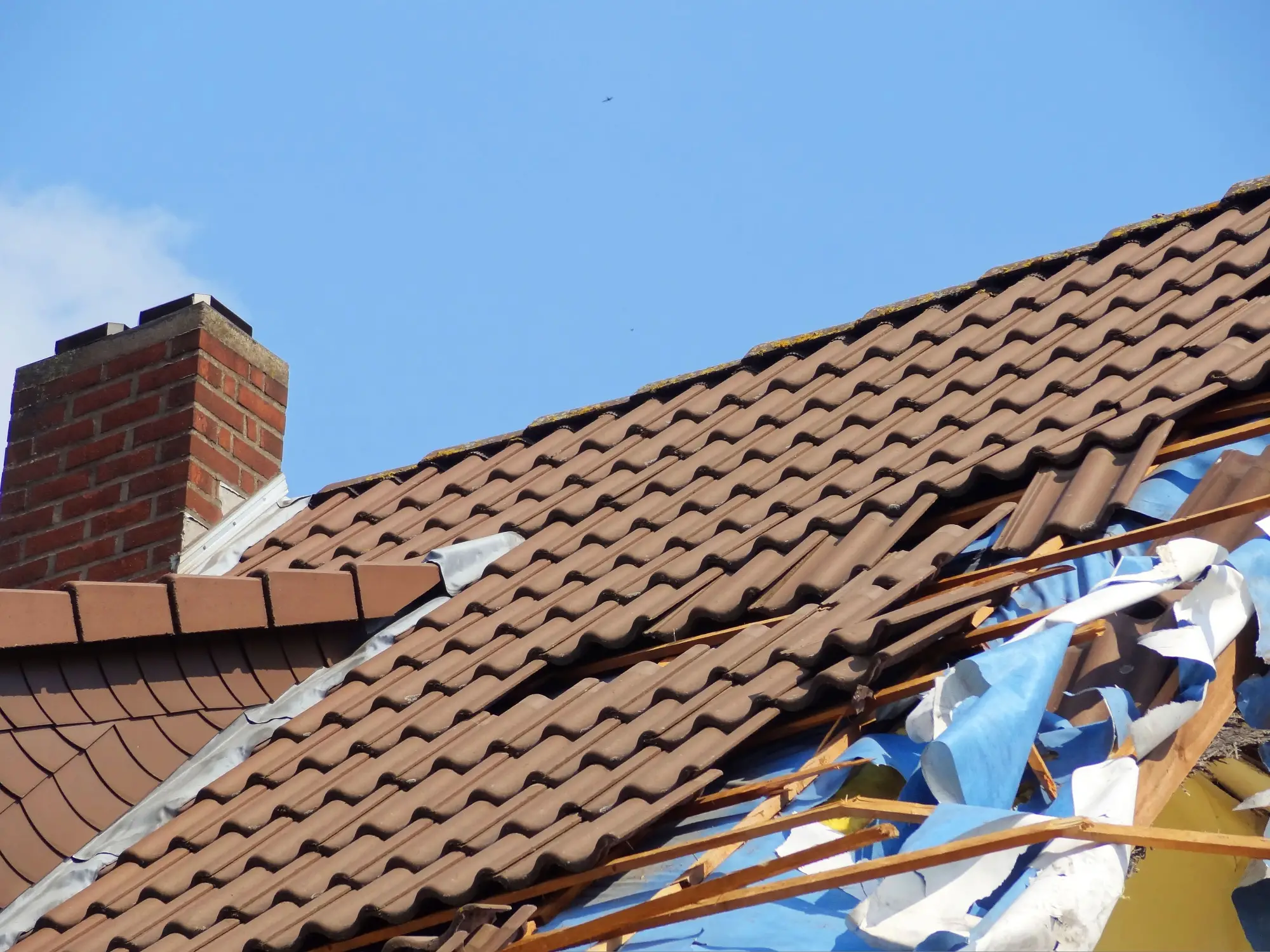
Storms in Central Florida are no joke. Between heavy rain, high winds, and flying debris, your roof takes the full impact. Even if your home looks fine from the outside, hidden damage can lead to leaks, mold, and expensive repairs if it’s not caught early.
If your home has recently gone through a storm, here’s exactly what you need to do to protect your roof and avoid bigger problems.
Why Storm Damage Is a Big Deal in Florida
Florida roofs deal with extreme conditions year-round, including:
Intense UV exposure
Heavy rain and humidity
Tropical storms and hurricanes
Because of this, even minor storm damage can quickly turn into major structural issues. What looks like a small problem today can become a full roof replacement if ignored.
1. Start With a Ground-Level Inspection
After the storm passes, walk around your home and look for visible signs of damage.
Look for:
Missing or lifted shingles
Pieces of roofing material on the ground
Damaged gutters or downspouts
Fallen branches or debris on the roof
Do not climb on your roof. It can be dangerous and may cause further damage.
2. Check Inside Your Home for Hidden Signs
Not all roof damage is visible from the outside. Some of the most serious issues start inside.
Watch for:
Water stains on ceilings or walls
Dripping water or moisture buildup
Musty smells in the attic
Damp insulation
If you notice any of these, your roof may already have a leak.
3. Understand Common Types of Storm Damage
Knowing what kind of damage to look for can help you act faster.
Wind Damage
High winds can:
Lift shingles
Break seals
Expose underlayment
Water Damage
Heavy rain can:
Penetrate weak spots
Cause slow leaks
Lead to mold growth
Impact Damage
Debris like branches can:
Crack shingles
Dent metal roofing
Damage flashing
4. Document Everything for Insurance
If you plan to file an insurance claim, documentation is critical.
Take photos of:
Roof damage (from the ground)
Debris around your property
Interior damage (ceiling stains, leaks)
This helps support your claim and speeds up approval.
5. Schedule a Professional Roof Inspection
Even if you don’t see obvious damage, a professional inspection is one of the most important steps you can take.
A roofing expert can identify:
Hidden leaks
Structural weaknesses
Early-stage damage that isn’t visible
This is especially important in Central Florida, where storm damage is common and often overlooked.
6. Avoid Delaying Repairs
Waiting too long can turn a small issue into a major problem.
Delays can lead to:
Mold and mildew
Rotting wood
Interior damage
Higher repair costs
Addressing damage early can save you thousands.
7. Roof Repair vs Replacement After a Storm
Not all storm damage requires a full replacement.
You may only need a repair if:
Damage is limited to one area
Your roof is relatively new
The structure is still intact
You may need a replacement if:
Damage is widespread
Your roof is older
Multiple areas are affected
A professional inspection will give you a clear answer.
8. Why Local Experience Matters
Hiring a roofing company that understands Central Florida conditions is key.
Local experts know how to handle:
Storm-related damage
Florida building codes
Insurance claim processes
This ensures your roof is repaired correctly and built to last.
9. Prevent Future Storm Damage
While you can’t stop storms, you can reduce your risk.
Tips to protect your roof:
Schedule annual inspections
Keep gutters clean
Trim nearby trees
Address small issues early
Preventative maintenance goes a long way.
Get a Free Roof Inspection in Central Florida
Storm damage isn’t always obvious, but it can cause serious problems if ignored.
If your home has recently gone through a storm, schedule a free roof inspection in Central Florida today.
We’ll assess your roof, identify any issues, and help you determine the best next steps.
Frequently Asked Questions
How soon should I inspect my roof after a storm?
As soon as it’s safe. The sooner damage is identified, the better.
Will insurance cover storm damage?
In many cases, yes. Proper documentation and inspection are key.
Can I inspect my roof myself?
You can check from the ground, but a professional inspection is recommended for accuracy and safety.
What if I don’t see any damage?
Hidden damage is common. It’s still smart to get a professional inspection.
Related Blog Posts
Florida Insurance Roof Requirements: What Homeowners Need to Know in 2026
When to Schedule a Roof Inspection Before Hurricane Season in Florida