Roofing for Merritt Island, FL: Coastal Wind & Salt Considerations (2026)
Merritt Island sits between the Indian River and the Banana River, which means every roof on the island is dealing with conditions that inland Central Florida homes simply don't face. Salt air, higher sustained winds, and storm surge risk all change what "a good roof" looks like out here. If you're replacing a roof on Merritt Island, the material and installation choices that work fine in Orlando or Rockledge aren't automatically the right call closer to the water.
Why Coastal Location Changes the Roofing Equation
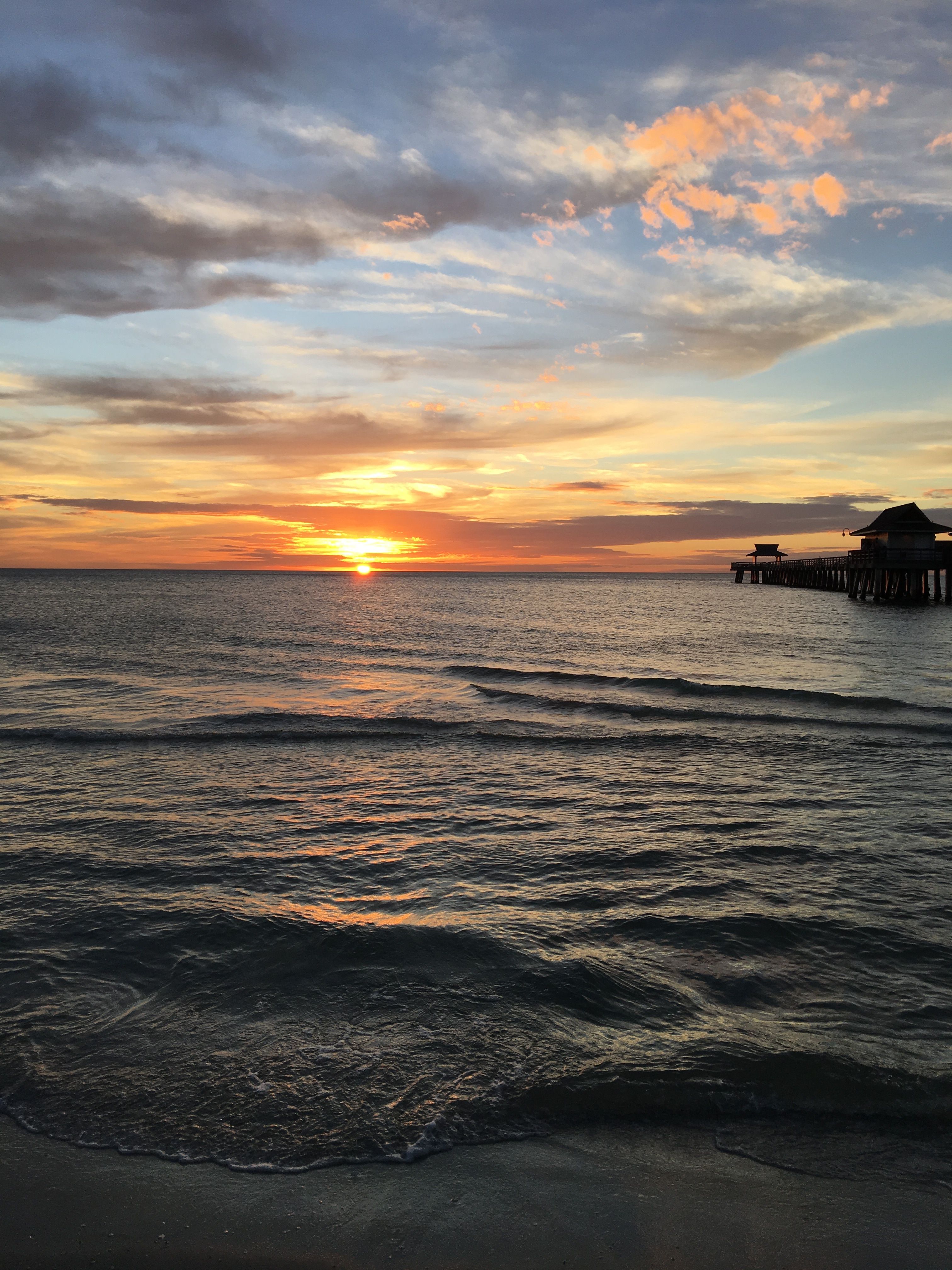
Being surrounded by brackish water on two sides means Merritt Island roofs are exposed to airborne salt year-round, not just during storms. That salt settles on roofing materials and fasteners and accelerates wear in ways that don't show up on an inland roof of the same age. Wind exposure is also higher here, since there's less tree cover and fewer structures to break up gusts compared to more built-up parts of Brevard County.
Salt-Air Corrosion: What Happens to Metal Roofing Components Over Time
Metal roofing itself is often a strong choice for coastal homes, but the fasteners, flashing, and any exposed steel components need to be corrosion-resistant, not just the panels. Standard fasteners can start rusting years before the roofing material itself shows any wear, and once a fastener fails, water finds its way in even though the roof looks intact from the ground. Coastal-rated fastener systems and marine-grade flashing cost more upfront but avoid a repair cycle that standard hardware simply isn't built for out here. For a broader comparison of options, see our guide to the best roofing materials for Florida homes.
Wind Uplift Ratings and Why They Matter on the Island
Florida Building Code sets minimum wind resistance standards, but homes closer to the coast typically fall into higher wind zones than inland areas, which raises the baseline requirement. A roof rated for standard inland wind exposure can underperform in a coastal wind zone even if it technically meets code elsewhere in the county. When you're getting quotes, it's worth asking directly what wind rating the proposed system carries and whether it's appropriate for Merritt Island's specific wind zone, not just Brevard County in general. Getting this checked ahead of storm season matters too, our guide to scheduling a roof inspection before hurricane season covers timing.
Insurance and Wind Mitigation Requirements Near the Coast
Insurance carriers pay close attention to coastal properties, and a wind mitigation inspection often plays a bigger role in premiums here than it does further inland. Features like a secondary water barrier, hurricane straps, and impact-rated materials can meaningfully lower insurance costs, and documenting them properly at the time of installation makes the difference when it's time to renew or file a claim. Our Florida insurance roof requirements guide covers what's typically needed. If your current roof predates these upgrades, a replacement is a natural point to add them.
Choosing Materials and a Contractor for Merritt Island Homes
Not every roofing material performs the same way this close to salt water, and not every contractor works with coastal-rated hardware as a matter of course. Metal, tile, and impact-rated shingles all remain viable options, but the fastener systems, flashing, and underlayment need to match the environment, not just the roof type. A local inspection can confirm what your current roof is dealing with and what a coastal-appropriate replacement looks like for your specific home.
If salt exposure or a recent storm has you wondering how much longer your roof has, a free inspection will give you a clear answer.
Related Blog Posts

Roof Repair & Replacement in Rockledge, FL (2026 Guide)
Roof Replacement in Viera, FL: HOA Rules & 2026 Guide