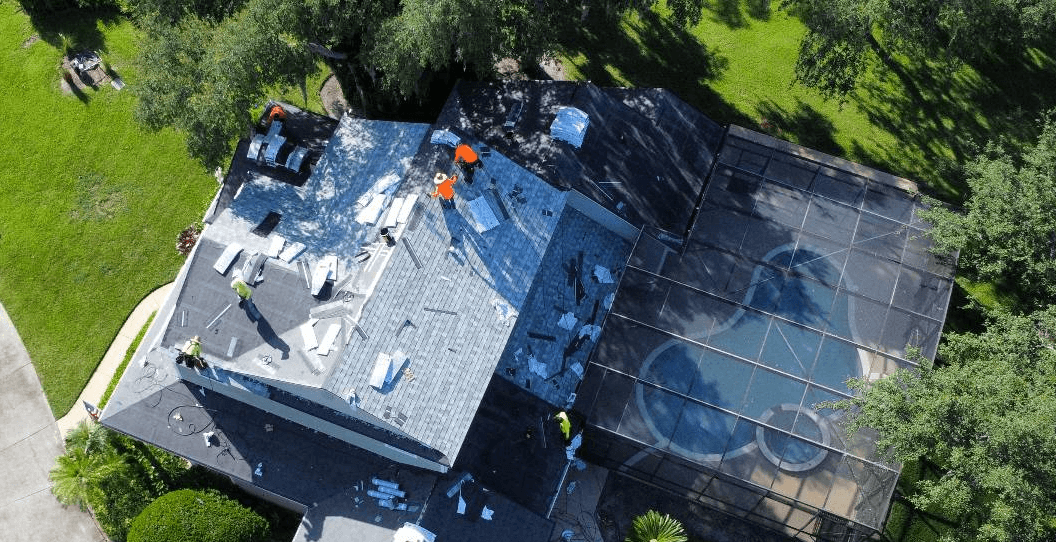
Florida Roof Certification for Insurance: What It Is & Who Can Sign (2026)
If your insurance company has asked for a roof certification, you are not alone. Florida insurers regularly ask for proof that an older roof still has life left before they will write or renew a policy. A roof certification is that proof: a signed inspection report stating your roof's condition and how many years of useful life it has remaining.
What Is a Roof Certification?
A roof certification, often submitted on a roof inspection or roof condition form, is a report completed and signed by a qualified, Florida-licensed professional. It documents the roof covering, its age, its condition, and an estimate of its remaining useful life. Insurers use it to decide whether the roof is insurable as it is, or whether it needs repairs or replacement first.
Citizens Property Insurance, Florida's state-backed insurer, uses its own Roof Inspection Form, and many private carriers accept that form or their own version of it.
What the Inspection Covers
A typical roof certification includes:
Roof covering type for each slope (shingle, tile, metal, or flat)
Roof age and estimated remaining useful life
Date of the last roofing permit, and whether past work was a full or partial replacement
Visible damage such as cracking, granule loss, loose or missing material, or hail damage
Signs of leaks in the attic or on interior ceilings
Photos of each roof slope and any problems found
An overall rating of satisfactory or unsatisfactory
When Do You Need a Roof Certification?
Buying a home with an older roof, since the buyer's insurer will want to know its condition
Renewing a policy when your insurer flags the roof's age
Switching insurance companies
Applying with Citizens when your roof is past its age limit
Citizens requires a roof inspection for shingle roofs older than 25 years and for tile, metal, slate, clay, or concrete roofs older than 50 years. Private insurers set their own guidelines and often start asking about a roof's condition much sooner.
Florida's 15-Year Roof Rule
Florida law (section 627.7011, Florida Statutes) limits how insurers can use roof age:
An insurer cannot refuse to issue or renew a homeowners policy solely because of roof age if the roof is less than 15 years old.
For a roof that is 15 years or older, the insurer must let you get a roof inspection, at your expense, before requiring a replacement.
If that inspection shows 5 or more years of useful life remaining, the insurer cannot refuse to issue or renew the policy based on roof age alone.
Roof age is generally counted from the last time the entire roof was replaced under the building code in effect at the time. The rule covers refusals based on age alone, so insurers can still act on damage or other underwriting factors. Even so, a solid roof certification can be the difference between keeping your coverage and being told to replace a roof that still has years left in it.
Who Can Sign a Roof Certification in Florida?
Under Florida law, the inspector must be approved by the insurer and be one of the following:
A licensed home inspector
A certified building code inspector
A licensed general, building, or residential contractor
A roofing contractor
A licensed professional engineer or architect
Insurers can also recognize other qualified inspectors. A roofing contractor works on roofs every day, so they can often spot problems a general inspection might miss and tell you right away what it would take to bring the roof up to an insurable condition.
Roof Certification vs. 4-Point vs. Wind Mitigation
Roof certification: roof condition, age, and remaining useful life. Shows an older roof is still insurable.
4-point inspection: roof, electrical, plumbing, and HVAC. Often required on older homes, and Citizens requires one for homes more than 20 years old.
Wind mitigation inspection: roof shape, deck attachment, roof-to-wall connections, and opening protection. Can qualify you for insurance discounts.
These inspections are often scheduled together, especially when buying a home.
What Happens If Your Roof Doesn't Pass?
If the inspection rates the roof unsatisfactory or shows less than five years of remaining life, your insurer may require repairs or a full replacement before issuing or renewing the policy. Citizens, for example, requires proof of a full roof replacement when remaining life is under five years. In many cases, targeted repairs to damaged areas, flashing, or leaks can bring a roof back to an acceptable condition. If the roof is near the end of its life, our Florida roof replacement cost guide can help you plan.
How to Prepare for a Roof Inspection
Find your roof permit date or replacement paperwork
Gather records of any repairs since the roof was installed
Make sure the inspector can safely reach the attic
Note any past leaks or ceiling stains so they can be checked
For more on what insurers look for, read our guide to Florida insurance roof requirements. If hurricane season is approaching, our guide to roof inspections before hurricane season covers timing.
Roof Inspections in Brevard County and Orlando
Maverick Roofing provides free roof inspections from our Rockledge and Orlando offices, serving Titusville, Rockledge, Cocoa Beach, Melbourne, Orlando, and surrounding areas. Schedule a free roof inspection to find out where your roof stands before your next insurance renewal.
Frequently Asked Questions
What is a roof certification in Florida?
It is a signed report from a qualified, licensed professional that documents a roof's condition, age, and remaining useful life. Insurers usually request it for older roofs.
Can a roofing contractor sign a roof certification?
Yes. Florida law lists roofing contractors among the professionals who can perform these inspections, as long as the insurer approves the inspector.
Is a roof certification the same as a 4-point inspection?
No. A 4-point inspection covers the roof plus electrical, plumbing, and HVAC. A roof certification focuses only on the roof and its remaining life.
Can my insurer drop me because my roof is old?
Not because of age alone if the roof is under 15 years old. For older roofs, an inspection showing at least five years of remaining life prevents a refusal based solely on age.
Related Blog Posts
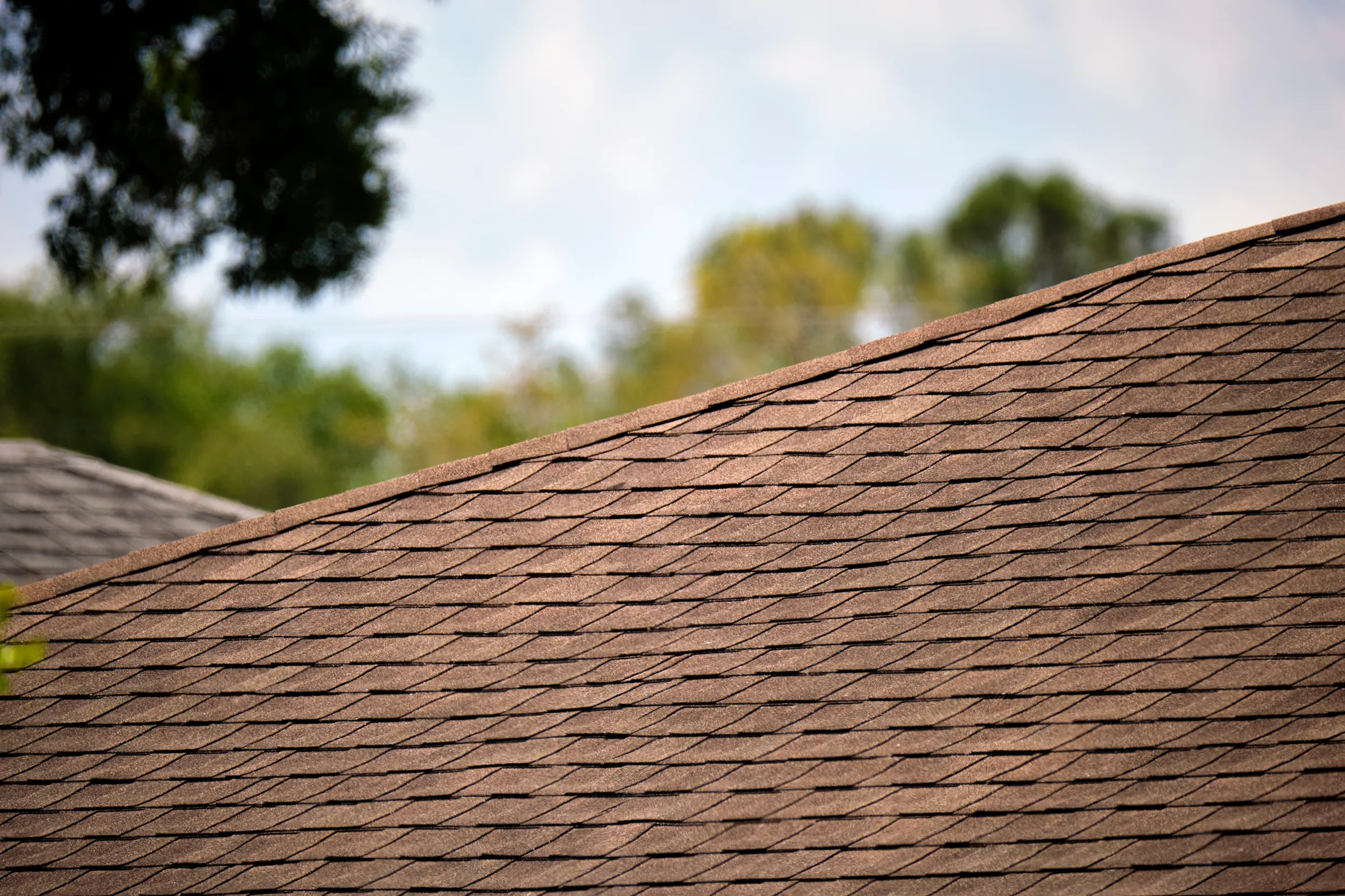
Florida Insurance Roof Requirements: What Homeowners Need to Know in 2026
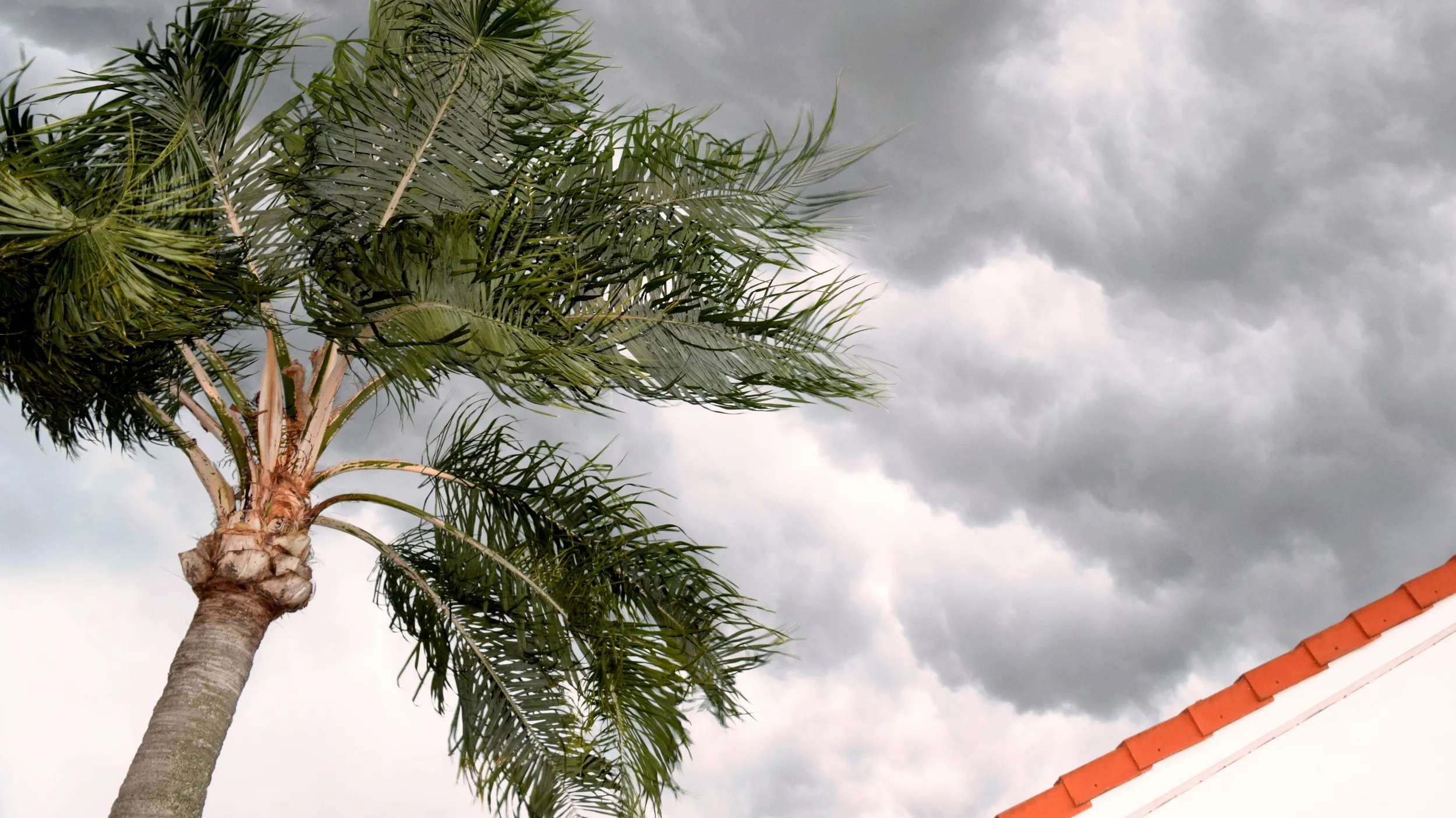
When to Schedule a Roof Inspection Before Hurricane Season in Florida